
The smartphone category as a whole was expected to spend around Rs 1,000 crore on marketing and promotional activities over the next six months, even as India unlocks gradually, said media industry experts. This spending is expected to come down, as firms temper their launches.

Among the options being weighed are discounts on existing rentals, short-term deferrals, and 50 per cent waivers.

Prime was the first to grab streaming rights for seven titles for an estimated Rs 300 crore.

Steel, cement, aluminum, fertilisers, tractors, two-wheelers, beverages and carbonated drinks, tyres and FMCG could see demand back to near normal levels by the third or the fourth quarter of the financial year, or even earlier.

Movie theatres may reopen around the second week of July.

Gulabo Sitabo was made with a budget of Rs 40 crore to Rs 45 crore. Amazon Prime bought the streaming rights for Rs 60 crore to Rs 65 crore, helping the producers make over Rs 20 crore.

From auto, refrigerator, and mobile handset makers to real estate firms, companies are tying up with banks to dole out attractive finance schemes and discounts to make buying more affordable.

At the heart of the matter are revenue-share rental agreements that retailers are mooting over fixed-rent contracts that they say are unsustainable, given the revenue loss they've suffered during the lockdown.
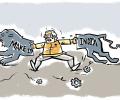
Work is underway in identifying global companies in sectors ranging from electronics, auto components and medical equipment to shift part of their existing or incremental manufacturing to India.

Clearly, the domestic market has taken sharp knocks in April, which is likely to be visible in May as well, said analysts tracking the market, as FMCG companies are grappling with improving capacity utilisation and dealing with labour shortage.

While Ola will be restarting services in over 60 cities across the country from Tuesday, Uber, on the other hand, will restart services in 13 more cities from Tuesday, increasing coverage to over 35 cities.

'While OTTs are a reality, big film producers will prefer a theatrical release before a digital one.'

Almost 70 per cent of alcohol distribution in India happens through liquor vends or shops, while 30 per cent happens on-premise, that is, in bars, pubs, and hotels.

Private equity players said their research had shown that the PE share after COVID-19 could go up to 8-10 per cent.

Radhakishan Damani is the only billionaire to see his wealth grow by around 20% during the lockdown.

Companies from Unilever to Proctor & Gamble, Nestl, Coca-Cola and PepsiCo have all alluded to lockdown challenges in India and the globe as well as the impact it will have on April-June as well as full-year numbers.
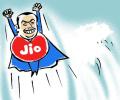
FB deal puts RIL on course to be debt-free next year; Reliance Retail biggest gainer from WhatsApp, JioMart arrangement.

Retailers are also demanding that home delivery across all forms of retail should be allowed to ensure a level playing field.

Data from market research agency Nielsen shows that 152 new players entered the hygiene market in March as the lockdown was implemented to contain the spread of the coronavirus disease. The trend is expected to continue, the agency says, as hygiene and health emerge as key themes.
While FMCG companies were not barred from carrying out their operations during the 21-day lockdown, since most manufacture staples and essential products, capacity utilisation remained poor, owing to the restricted movement of raw materials, finished goods, and labour.
 © 2026 Rediff.com - Investor Information - Advertise with us - Disclaimer - Privacy Policy - Sitemap - Feedback - About us - Terms of use - Grievances